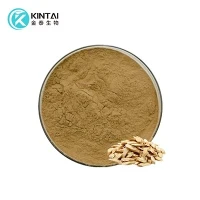
Konjac,alias konjac (jǔruò), perennial herb of Araceae, with small poison. Wide range of uses. Konjac is a big family, there are about 130 species in the world, and there are more than 30 kinds in my country. Konjac is the only commercial crop that can provide glucomannan in large quantities. The application value of konjac in food and medicine will continue to be used. developed. Konjac is widely welcomed because of its high edible value. Its main ingredient is glucomannan, which not only contains more than 10 kinds of amino acids and various trace elements needed by the human body, but also has low protein, low fat and high fiber. It has the characteristics of strong water absorption and high expansion rate. In terms of medicinal effects, it has various effects such as lowering blood lipids, lowering blood sugar, lowering blood pressure, detoxification, weight loss, beauty, health care, laxative and gastrointestinal.
Health properties of konjac
Studies have shown that it has lipid-lowering, hypoglycemic, anti-cancer laxative and other functions. The glucoside glycoside contained in konjac is a kind of polymer compound, which has strong water absorption. After absorbing water, the volume can expand 80-100 times, and it is not easy to be digested and absorbed after eating. And it can adsorb cholesterol and bile acids, which has a certain effect on lowering blood pressure and reducing cardiovascular disease.
1. The medicinal ingredients of konjac can clear the fat and cholesterol deposited in the cardiovascular system.
2. Konjac is rich in dietary fiber. Dietary fiber in the intestine can strengthen intestinal peristalsis, promote defecation, and shorten the residence time of food in the intestine. It takes about 12 hours for meat food to be excreted from the body. Approximately 7 hours in vitro. It can shorten the time that stool stays in the intestine by about 5 hours. Thereby reducing the absorption of nutrients in the small intestine, and also reducing the harm of harmful substances in the stool to the body.
3. The volume expansion coefficient of konjac flour after absorbing water is very large, up to 100 times the volume of the dry product itself. After konjac absorbs water and expands in the stomach, it makes people feel full, and naturally they do not want to eat more other foods. .
Long-term consumption of konjac flour products is not only beneficial to obese people. It is also beneficial to people with constipation, high blood lipids and people who want to prevent stomach and bowel cancer. Generally speaking, konjac should not only be said to be a diet food, but should be positioned as a health food.
Konjac also contains soluble dietary fiber, which is very effective in inhibiting postprandial blood sugar rise, so konjac flour and its products are ideal hypoglycemic foods for diabetics. After application, the burden of islets can be reduced. What is particularly eye-catching and interesting is the gel it contains, which can form semi-permeable membranes with various pore sizes in the intestinal tract and attach to the intestinal mucosa to form a defensive barrier to block the intrusion of carcinogens. Play a role in preventing cancer. Therefore, konjac has a variety of disease prevention and health care functions, and regular consumption of konjac food is very beneficial to the body.
The underground tubers of konjac can be processed into konjac flour for consumption. Konjac food is not only delicious and pleasant in taste, but also has the functions of losing weight and fitness, curing diseases and anti-cancer. food", "health food", etc.
Since the bonding method of konjac glucomannan monosaccharide is similar to that of cellulose, it cannot be degraded into monosaccharide for absorption in the small intestine, so it is suitable for diabetics and other situations where they cannot consume too much sugar. Because of this, konjac can be used as a raw material for diet food.